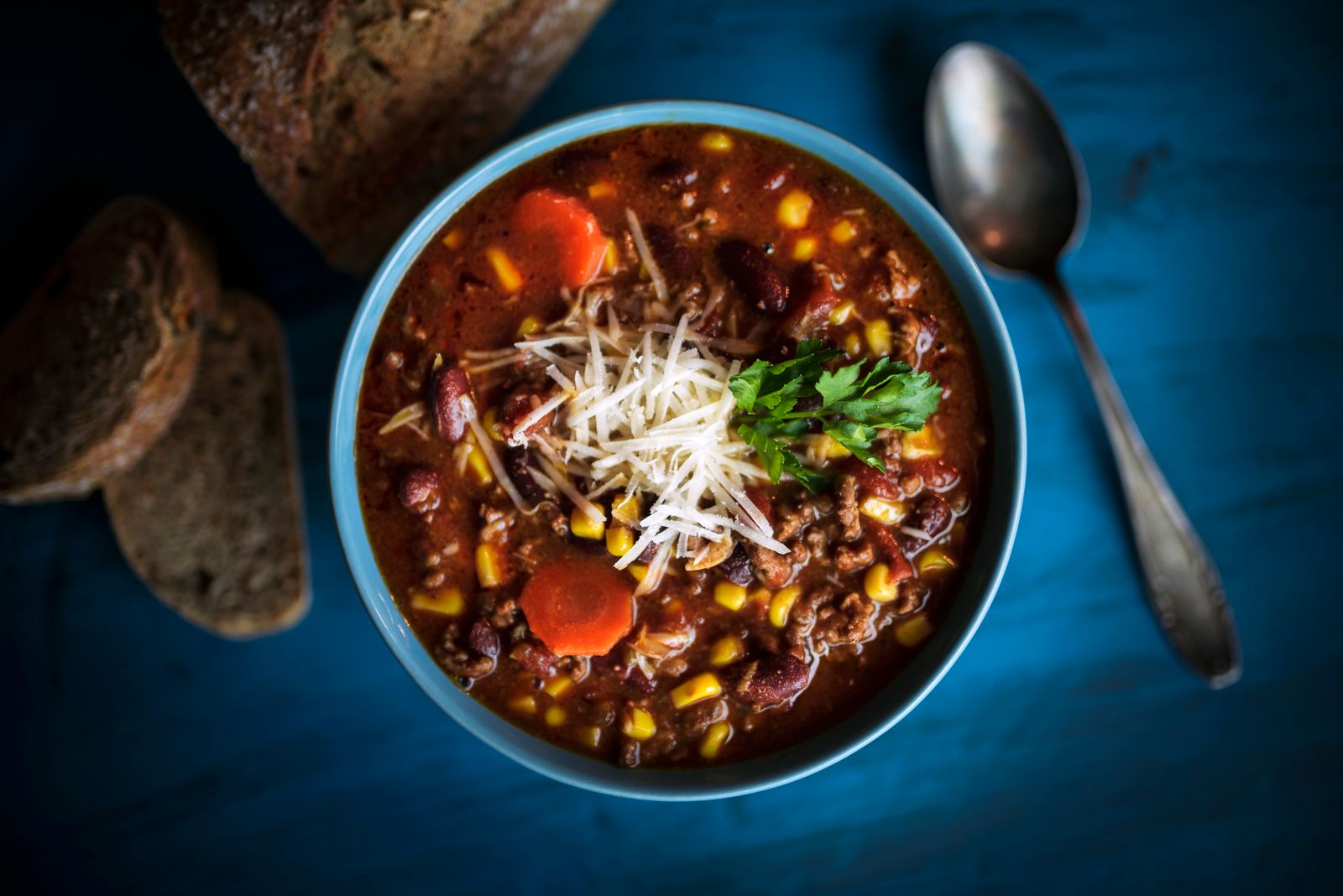
Crock Pot Chili 8 Ways: Beef, White Chicken, Turkey, Veggie and Cincinnati (and the Bean Rule Nobody Mentions)
Sarah
November 9th, 2026
This post contains affiliate links. If you buy something through one, we may earn a small commission — at no extra cost to you.
This post contains affiliate links. If you buy through them, I may earn a small commission at no extra cost to you. It never changes what I recommend.
Chili is the best thing a slow cooker does. It’s forgiving, it feeds a crowd, it gets better overnight, it freezes without complaining, and nobody has ever been disappointed to find out chili was for dinner. It’s also the one dinner where the slow cooker genuinely beats the stove, because chili wants hours of low heat and no stirring.
Here are eight versions, what actually goes in each one, and the handful of rules that separate good crock pot chili from a watery pot of disappointment. Same as always: these are method guides, not copies of anyone’s recipe card. I’ve given you the bones — what goes in, how long, and the temperature that makes it safe — and left the seasoning to your family.
At a Glance
If you remember three things: brown the ground meat first (it’s the one step worth the extra pan), use canned beans unless you’re willing to boil dried ones properly, and don’t add the dairy or the fresh toppings until the end.
Most “dump and go” chili recipes are telling the truth about 90% of the ingredients and lying about one. Here’s the honest split.
Genuinely dump-and-go: canned beans (drained and rinsed), canned tomatoes, tomato paste, broth, diced onion and pepper, garlic, every dry spice, corn, and chipotles in adobo. All of it can go in raw at 7 a.m. and be fine.
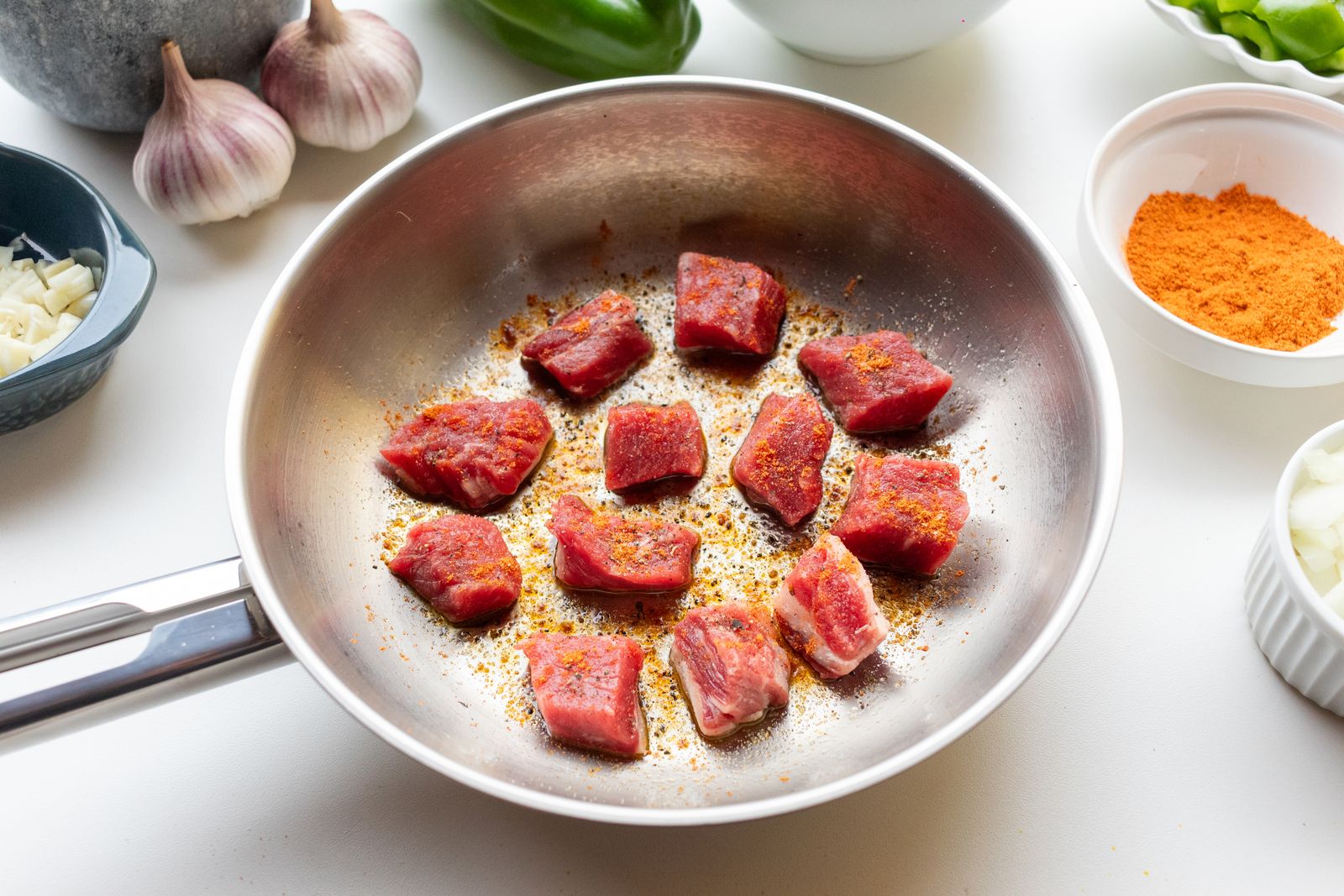
Worth the extra pan: ground beef, turkey and sausage. Raw ground meat dropped into a slow cooker comes out in grey clumps with a steamed texture and none of the browned flavor, and the rendered fat has nowhere to go, so the chili ends up greasy. Five minutes in a skillet fixes both. Brown it, drain it, then dump.
Add at the end: cream, sour cream, cream cheese, shredded cheese, fresh lime, and fresh cilantro. Dairy added at hour one can split over a long cook, and fresh herbs just go brown and sad.
The liquid rule: a slow cooker loses almost no moisture, so chili that looks right going in will be soupy coming out. Use about a third less liquid than a stovetop recipe calls for. If it’s still thin at the end, take the lid off and run it on high for the last 30 to 45 minutes, or stir in a spoonful of tomato paste or a little masa harina.
The Eight Chilis
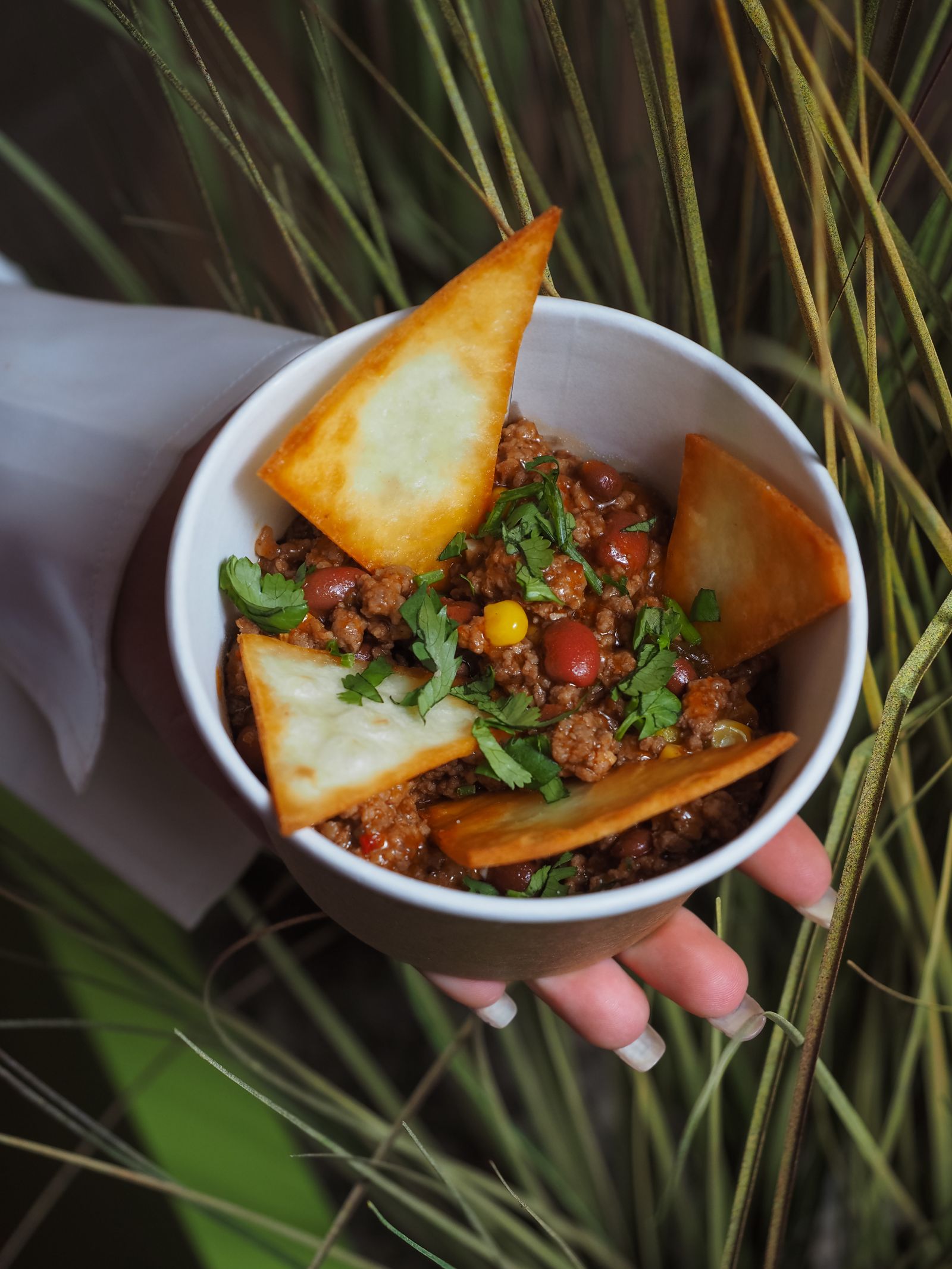
Photo by Julias Torten und Törtchen on Pexels
1. Classic Beef and Bean
What goes in: ground beef, onion, bell pepper, garlic, crushed tomatoes, tomato paste, kidney and black beans, chili powder, cumin, oregano, a little brown sugar, salt.
Brown the beef to 160°F, drain it, and add everything else. Six to eight hours on low, or three to four on high. This is the one to double, because it’s the one everybody eats.
2. White Chicken Chili
What goes in: boneless chicken thighs or breasts, cannellini or great northern beans, green chiles, onion, garlic, cumin, oregano, chicken broth, and cream cheese or sour cream stirred in at the end.
No browning needed — the chicken goes in raw. Six hours on low, then shred the chicken right in the pot and stir in the dairy off the heat. Chicken needs to reach 165°F. Thighs stay juicier over a long cook than breasts do.
3. Turkey Chili
What goes in: ground turkey, onion, pepper, garlic, diced tomatoes, tomato paste, black and pinto beans, chili powder, cumin, smoked paprika.
Ground turkey is leaner than beef, which means it dries out and tastes flat if you treat it the same way. Brown it to 165°F in a little oil, and lean harder on the smoked paprika and a splash of Worcestershire to make up the depth. Six hours on low.
4. Texas Red (No Beans)
What goes in: cubed beef chuck (not ground), dried chiles or good chili powder, onion, garlic, cumin, beef broth, a little masa harina to thicken. No beans, no tomatoes in the strict version.
This is the one that starts arguments, and it’s the one the slow cooker is best at, because cubed chuck wants eight hours of low heat to go tender. Brown the cubes in batches first. Eight hours on low, then whisk a spoonful of masa into a little broth and stir it in for the last 30 minutes.
5. Black Bean and Sweet Potato (Vegetarian)
What goes in: black beans, diced sweet potato, onion, red pepper, garlic, fire-roasted tomatoes, vegetable broth, chili powder, cumin, cinnamon (just a pinch), lime at the end.
Fully dump-and-go, which makes it the easiest one here. Five to six hours on low. Watch the sweet potato — much past six hours and it dissolves into the sauce, which is fine for texture but means you lose the chunks.
6. Chicken Chili Verde
What goes in: chicken thighs, tomatillos or a jar of salsa verde, poblano and jalapeño, onion, garlic, cumin, chicken broth, cilantro and lime stirred in at the end.
The shortcut version is a jar of salsa verde and nothing else green, and it’s genuinely good. Six hours on low, shred, finish with lime and cilantro. Serve over rice if you want to stretch it.
7. Cincinnati Chili
What goes in: ground beef, onion, garlic, tomato sauce, beef broth, and the spice cabinet: chili powder, cumin, cinnamon, allspice, clove, a bay leaf, a square of unsweetened chocolate and a splash of vinegar.
It isn’t really chili in the Texas sense — it’s a thin, sweet-spiced meat sauce served over spaghetti, and that’s the point. The ordering is the fun part: two-way is chili over spaghetti, three-way adds shredded cheddar, four-way adds onions or beans, and five-way is all of it. Unlike every other chili here, the beef goes in unbrowned and gets broken up fine in the liquid, which is what gives it that distinctive texture.
8. Chili Mac
What goes in: your classic beef chili from number one, plus elbow macaroni and shredded cheddar.
Not a separate recipe so much as the answer to “what do I do with the leftovers.” Cook the pasta separately and stir it in at the end — pasta cooked in the slow cooker turns to paste and soaks up all your sauce. This is the version that gets eaten by kids who said they didn’t want chili.
The Bean Rule Nobody Mentions
This is the part I’d want to know, so I’m putting it in its own section.
Do not put dried red kidney beans straight into a slow cooker. Raw kidney beans contain a natural toxin called phytohaemagglutinin, and a slow cooker on low doesn’t get hot enough to destroy it — it can actually sit in the range that makes things worse. Utah State University Extension notes that as few as four or five improperly cooked beans can cause severe vomiting.
The fix is simple: soak dried beans, then boil them hard on the stove, drain and rinse, and only then add them to the slow cooker. University extension guidance says ten minutes at a full boil; some other sources cite thirty. I’d boil for the longer time rather than split the difference on something like this.
Canned beans are completely fine. They’ve already been cooked at the cannery, and that’s the whole reason most crock pot chili recipes call for them. Drain and rinse and dump them in. Honestly, for a weeknight I’d just use canned and not think about it again.
Ground beef, turkey and other ground meats: 160°F.
Poultry, soups, stews and leftovers: 165°F.
Thaw meat completely before it goes in. Frozen meat in a slow cooker spends too long in the temperature range where bacteria multiply.
Fill the crock between half and two-thirds. Underfilled scorches, overfilled doesn’t come up to temperature.
Refrigerate leftovers in shallow containers within two hours.
Don’t reheat leftovers in the slow cooker. Get them steaming on the stove or in the microwave first, then hold them in the crock if you’re serving a crowd.
The Toppings Bar
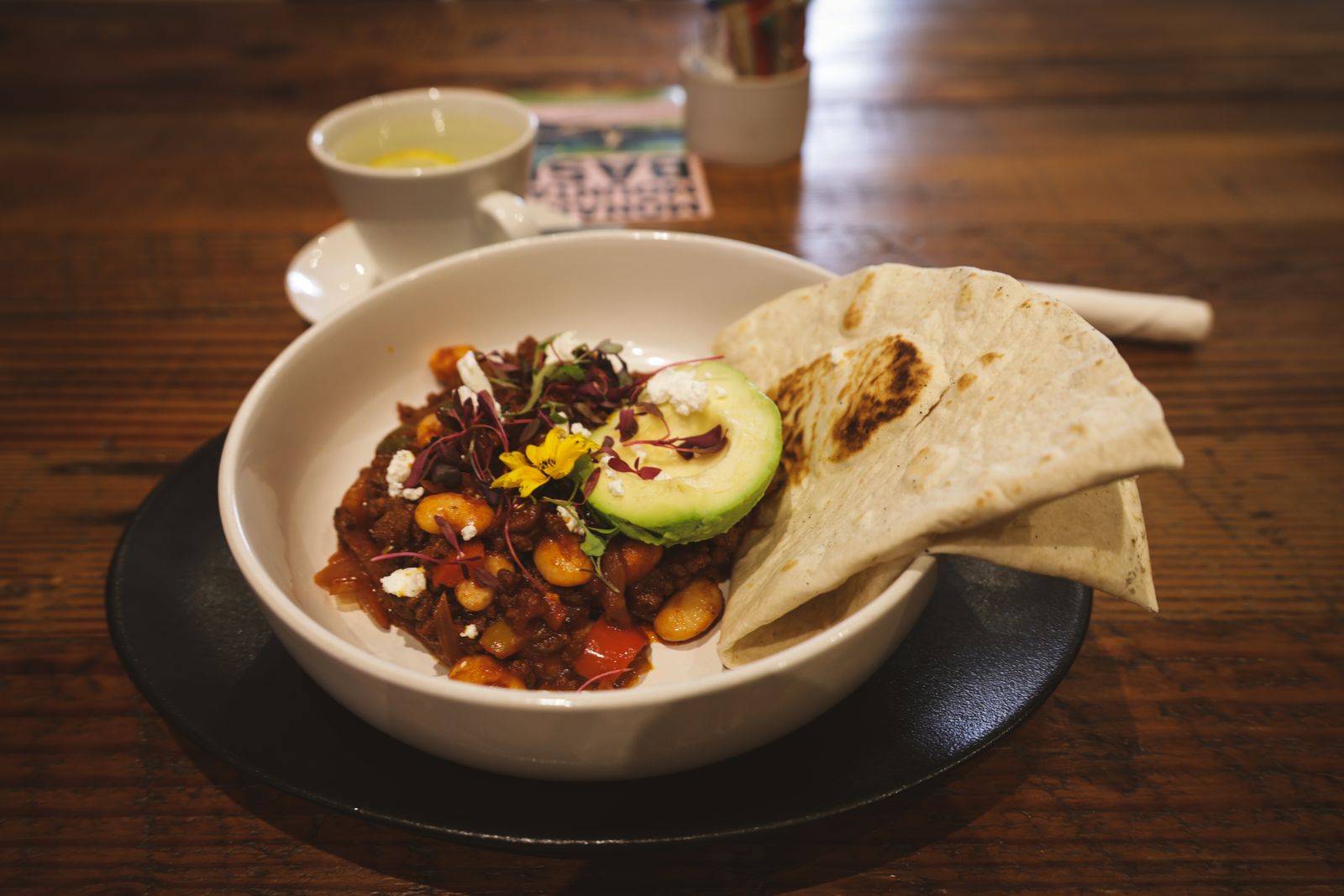
Photo by Magda Ehlers on Pexels
A pot of chili and six bowls of toppings turns one dinner into something that works for a game day, a birthday, or a houseful of people who all want different things. Put out:
Shredded sharp cheddar, and a bowl of cotija or queso fresco if you want to be fancy
Sour cream, or plain Greek yogurt
Diced raw white onion and sliced green onion
Pickled jalapeños and fresh lime wedges
Cilantro, for the people who like it
Fritos, oyster crackers, tortilla chips, or cornbread
Diced avocado
The single best upgrade is lime. A squeeze over a bowl of long-cooked chili wakes up everything that eight hours of heat flattened out.
Make Ahead, Freeze, Reheat
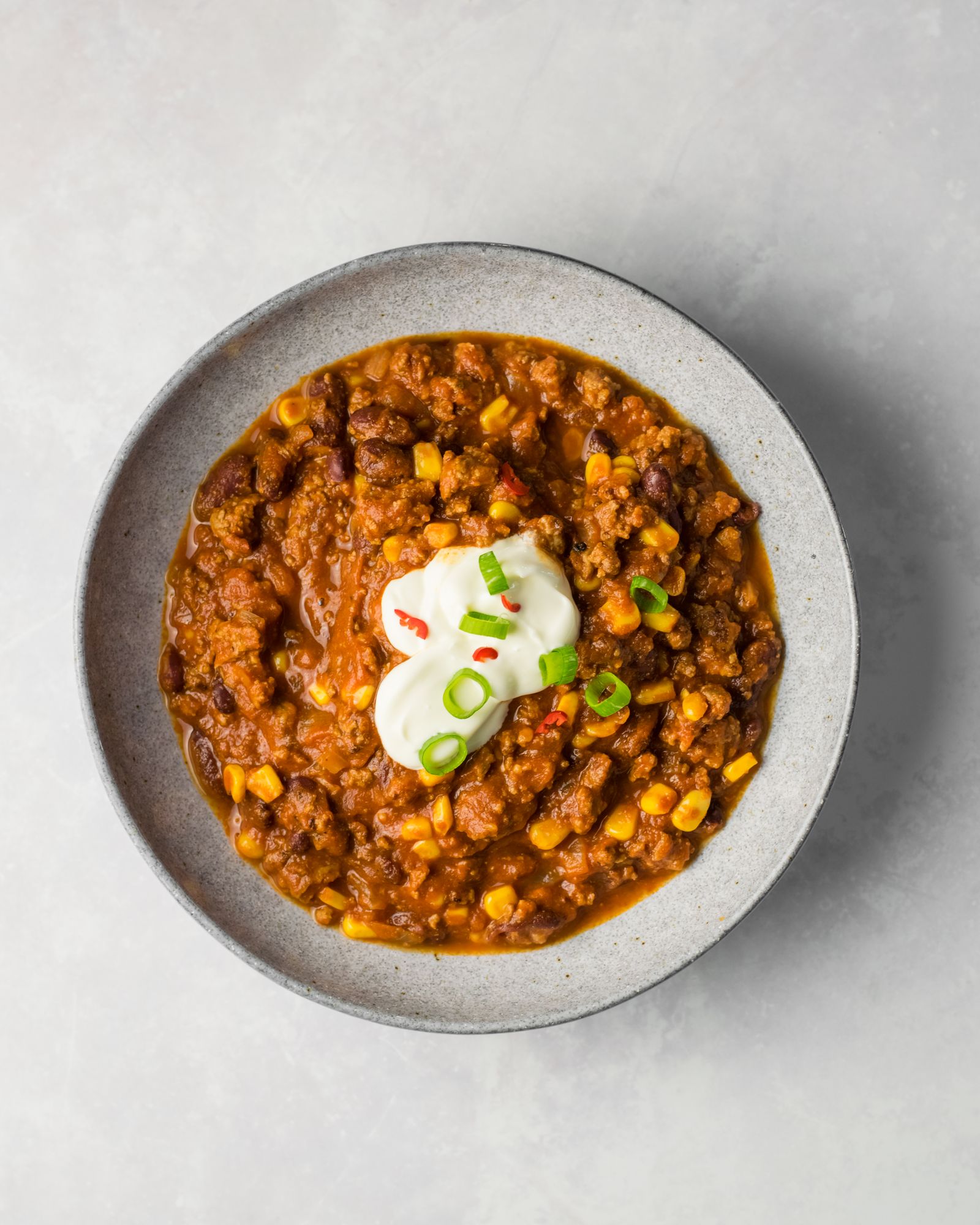
Photo by Piotr Arnoldes on Pexels
Chili is one of the best freezer foods there is, with two caveats.
Freeze it without the dairy. Cream cheese and sour cream can go grainy. Freeze the white chicken chili plain and stir the dairy in when you reheat.
Freeze it without the pasta. Noodles turn to mush. Chili mac gets assembled fresh.
Cool it down before it goes in the freezer, and freeze it flat in bags so it thaws fast and stacks.
Reheat to 165°F, on the stove or in the microwave, not in the slow cooker.
You can also freeze it raw: browned meat, beans, tomatoes, onion and spices all in one bag. Thaw overnight in the fridge and tip it into the crock in the morning. This is the trick worth stealing — one afternoon of prep gets you four dinners.
For how long leftovers keep in the fridge, University of Illinois Extension’s leftovers chart puts soups and stews at two to three days. When in doubt, freeze what you won’t eat by then.
The Gear
Chili needs almost nothing. A slow cooker, a skillet to brown the meat, and a thermometer.
The slow cooker. The Crock-Pot 7-quart manual is the size that lets you double a batch, which is the whole point of making chili. “Manual” means no timer, so it won’t shut itself off.
If you’d rather have it in an hour. The Instant Pot Duo 6-quart browns and pressure cooks in the same pot, so there’s no extra skillet. It’s what I reach for on a weeknight.
The thermometer. Every number above is easier to hit with a TempPro TempSwift instant-read. Cheapest thing here and the one I’d buy first.
If you want the fuller rundown — Dutch ovens, pressure cookers, the 9×13 with a lid — I went through all of it in my winter comfort food guide.
Frequently Asked Questions
How long does chili take in a crock pot?
Six to eight hours on low for most ground-meat chilis, or three to four on high. Texas red with cubed chuck wants the full eight on low. Longer is generally fine — chili is hard to overcook.
Do I have to brown the meat first?
For ground beef, turkey and sausage, yes — it’s the difference between browned flavor and grey clumps, and it lets you drain the fat. Chicken for white chili and chili verde can go in raw. Cincinnati chili is the deliberate exception.
Why is my crock pot chili watery?
Because a slow cooker doesn’t evaporate. Use about a third less liquid than a stovetop recipe says, and if it’s still thin, take the lid off for the last 30 to 45 minutes on high.
Can I use dried beans in the crock pot?
Not without boiling them on the stove first. Dried red kidney beans in particular need a hard boil before they go anywhere near a slow cooker. Canned beans don’t need any of this.
Can I put frozen ground beef in the slow cooker?
No. Thaw it completely first, per USDA-based guidance, and brown it while you’re at it.
What’s the difference between chili and Cincinnati chili?
Cincinnati chili is a thinner, sweet-spiced meat sauce — cinnamon, allspice, clove, sometimes chocolate — served over spaghetti rather than eaten in a bowl. Two-way is chili and spaghetti, three-way adds cheese, four-way adds onions or beans, five-way is all of it.
One Thing I Couldn’t Pin Down
Sources disagree on how long dried kidney beans need to boil. University extension guidance commonly says ten minutes at a full boil after soaking; other write-ups cite a thirty-minute figure attributed to the FDA. I couldn’t find the FDA’s own current wording to settle it, so the post says boil longer rather than shorter. If you’d rather skip the whole question, use canned.
Final Thoughts
Pick two. One red, one white, and you’ve covered every mood and most dietary complaints in your house. Brown the meat, go easy on the liquid, use canned beans, and finish the bowl with lime and something crunchy.
I'm Sarah, a stay-at-home mom of three and the accidental co-lead of Simply Sales—a community that started as a way to keep my sanity intact leading up to what would have been my daughter's second birthday. What began as a distraction is now my full-time gig, sharing the best sales, tips, and tricks with fellow moms who also enjoy the thrill of a good bargain. I’m all about staying active—whether it’s chasing my energetic little guys, actually using my gym membership, swimming laps or walking/running/cycling countless miles on the trails. My style? Sneakers, hoodies, and hats, because comfort is my middle name! Together with my sister and closest friends, we’re turning everyday into an adventure—with plenty of laughs along the way.