
When you’re dealing with feeding schedules, sleep deprivation, recovery, and everything else that comes with new motherhood, it’s hard to find time for anything else. Yet, it’s hard not to constantly worry about everything, especially when you’re a part of online mom communities, where everyone has a strong opinion and, sometimes, judges the choices you make.
One of the most difficult areas for new moms is making the decision to (or not to) breastfeed. There are a ton of breast pumps on the market, and choosing one can feel overwhelming when you’re already juggling so many things.
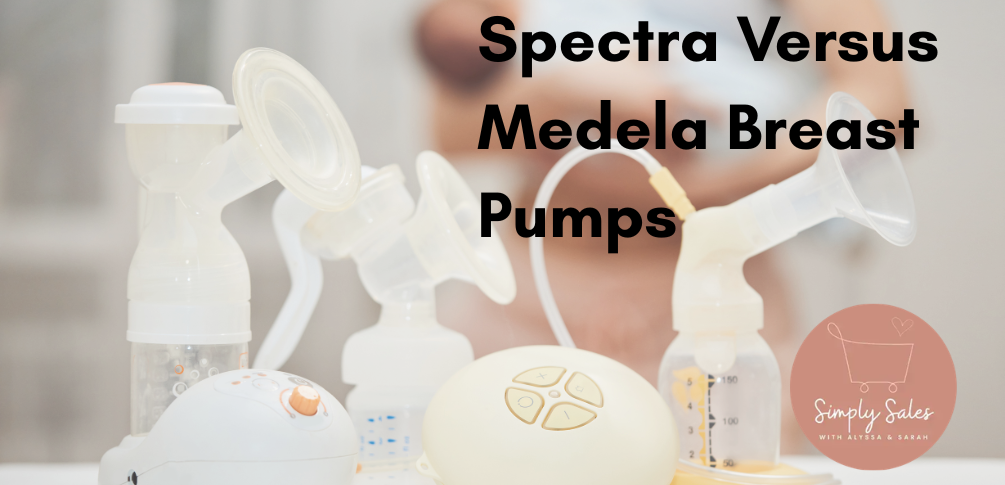
Spectra and Medela are the two leading brands of breast pumps, but the truth is, there really isn’t much competition between them because the “best pump” isn’t the same for everyone. What matters when choosing a pump is how you plan to use it, how often you’ll be pumping, and what kind of support your body responds to best.
Both Spectra and Medela are widely used, but they differ in suction style, common features, portability, and overall pumping experience. This guide walks you through both options in simple, practical terms so you can feel more confident about your choice (if you choose either) and why.
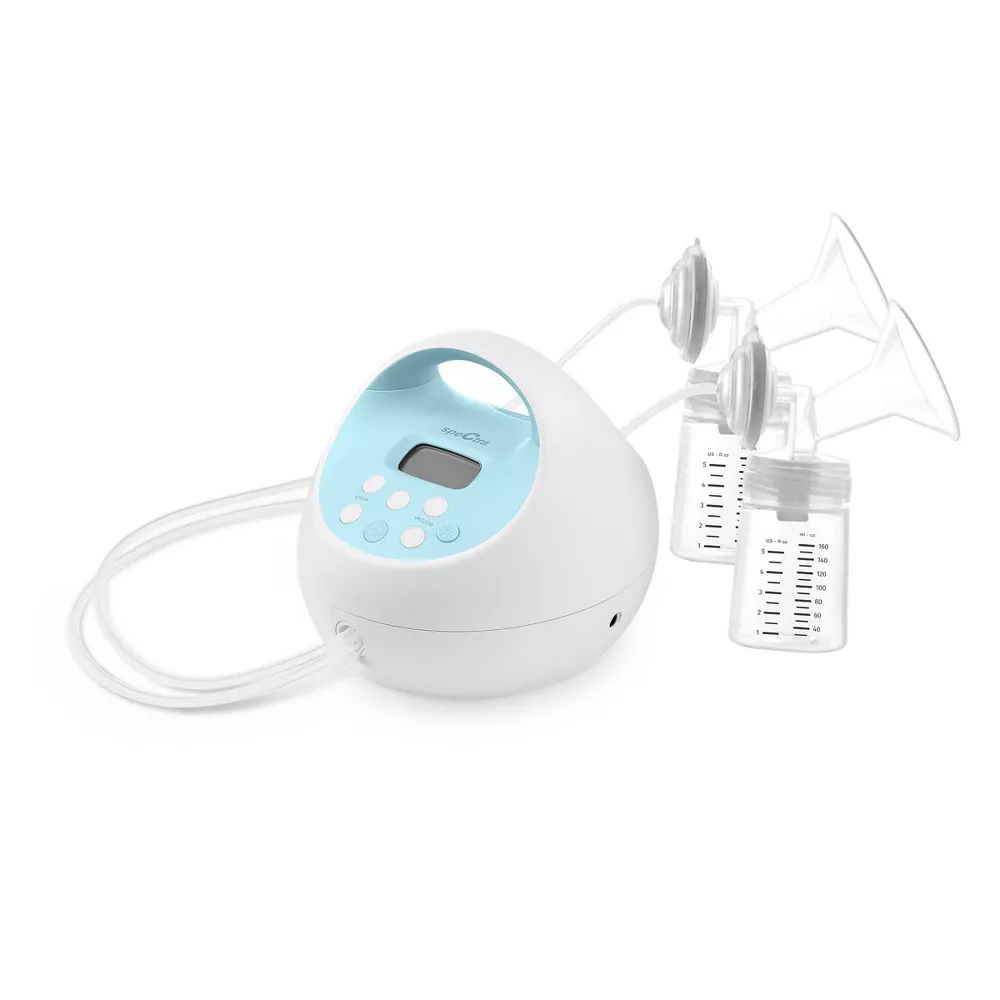
Spectra is known for creating electric breast pumps that prioritize comfort and customizable suction. Many new moms are drawn to Spectra because the brand is often described as quiet, gentle, and more “natural-feeling” compared to other pumps.
Most Spectra pumps are electric double pumps, meaning you can pump both breasts simultaneously. They typically include adjustable settings that let you control suction strength and cycle speed, making it easier to find a rhythm that feels comfortable.
One of the biggest reasons moms choose Spectra is the emphasis on hospital-grade suction performance in a home-friendly design. While “hospital-grade” can sound intimidating, in practice it usually means stronger, more consistent suction designed for frequent use. You’ll also find that Spectra pumps are generally quieter than many alternatives, which can matter a lot when you’re pumping at night and trying not to wake a sleeping baby.
From a usability standpoint, Spectra pumps are straightforward. You’ll plug it in or use a rechargeable battery pack, set your levels, and let the pump do its work. And once you’ve found your preferred settings, there won’t be as many manual adjustments.
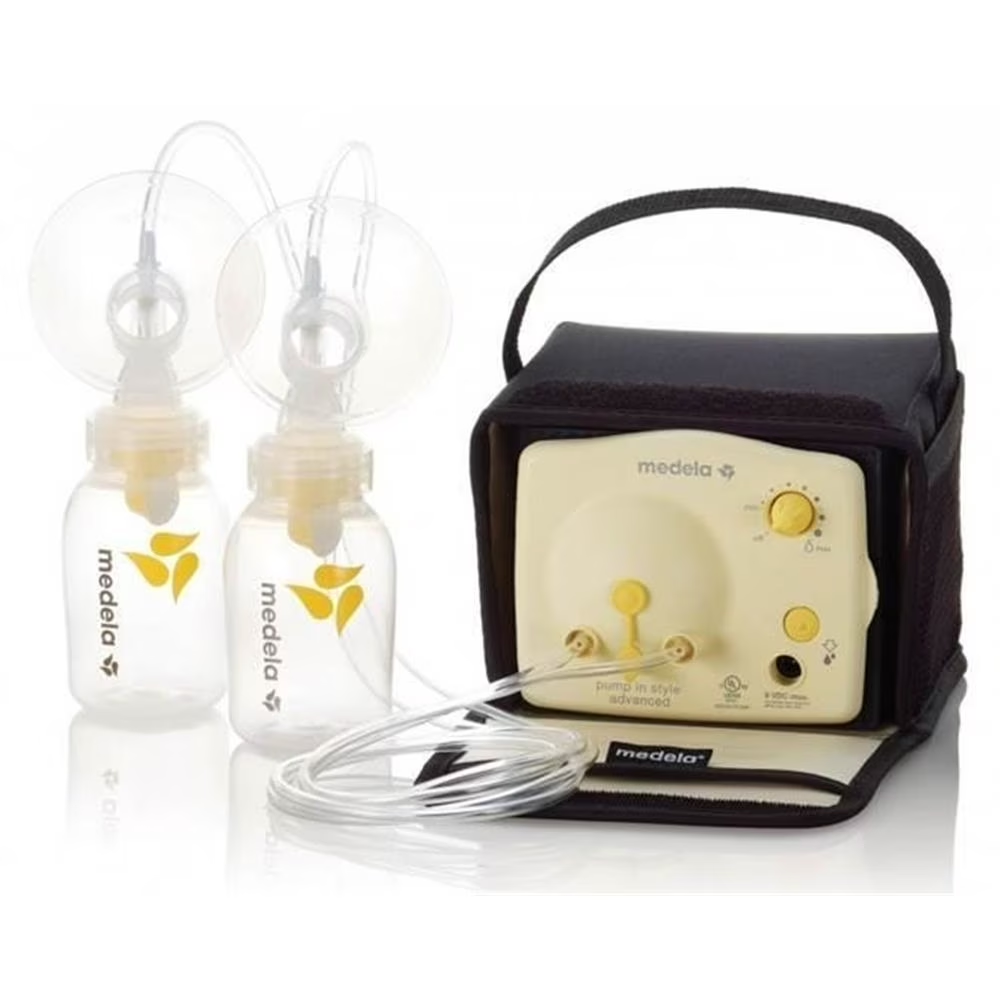
Medela offers a range of electric pumps, from compact portable models to more powerful double electric systems. One of the key differences you’ll notice with Medela is its focus on research-backed design inspired by natural baby feeding patterns. Their suction rhythm is designed to mimic how a baby typically nurses: quick stimulation followed by slower expression.
Medela pumps are easy to use, and they offer replacement parts and accessories, which makes maintenance simpler over time. You can also find Medela pumps through many insurance providers, which often makes them more accessible.
In terms of portability, Medela offers several lightweight, travel-friendly options, making it easier if you need to pump at work, in the car, or while managing a busy schedule outside the home.
Medela is often a strong starting point for new moms who aren’t yet sure how often they’ll be pumping and want something dependable and familiar.
Before you decide, it helps to think less about brand names and more about your daily reality. Your routine, your comfort, and your feeding goals matter more than marketing comparisons.
Hands-free pumping can feel like a game-changer, especially if you’re multitasking. However, true wearable pumps often trade power for convenience. Many moms find that hands-free pumps work better as a secondary pump rather than a primary system if you’re relying on pumping to maintain supply.
Some moms end up using a combination: a stronger, traditional electric pump for regular sessions and a wearable option for convenience. This isn’t required, but it’s something you might consider depending on your schedule.
Many insurance plans cover at least one breast pump. Coverage often includes models from major brands like Medela and, in some plans, even Spectra.
If you are exclusively pumping, you’ll likely benefit from a stronger, more durable system designed for frequent daily use. If you’re only pumping occasionally, portability and ease may matter more to you than maximum output strength.
Wearable pumps offer freedom of movement, but they may not always provide the same level of suction or milk output consistency compared to traditional electric pumps. Do you want to prioritize mobility or output efficiency?
Manual pumps exist and can be useful in certain situations, but most moms today choose electric pumps for consistency, especially when pumping regularly. Electric pumps reduce physical effort and can make longer sessions more manageable.
At the end of the day, choosing a breast pump is personal, and it’s okay if you don’t have all the answers right away.
Simply Sales is here to help new moms navigate these tough decisions with clarity and real-world insight. Instead of sorting through endless product listings or conflicting advice, you can visit our website for straightforward comparisons, honest breakdowns, community-driven recommendations, and awesome, cost-saving deals.
Be sure to bookmark our website for future savings and product recommendations, and join our Facebook community so you can get to know other like-minded moms and see our deals in real-time. We’ll see you there!